
FREQUENTLY ASKED QUESTIONS
Find answers to all your questions about parodontax and gum disease.
parodontax FAQs
-
What is parodontax toothpaste?
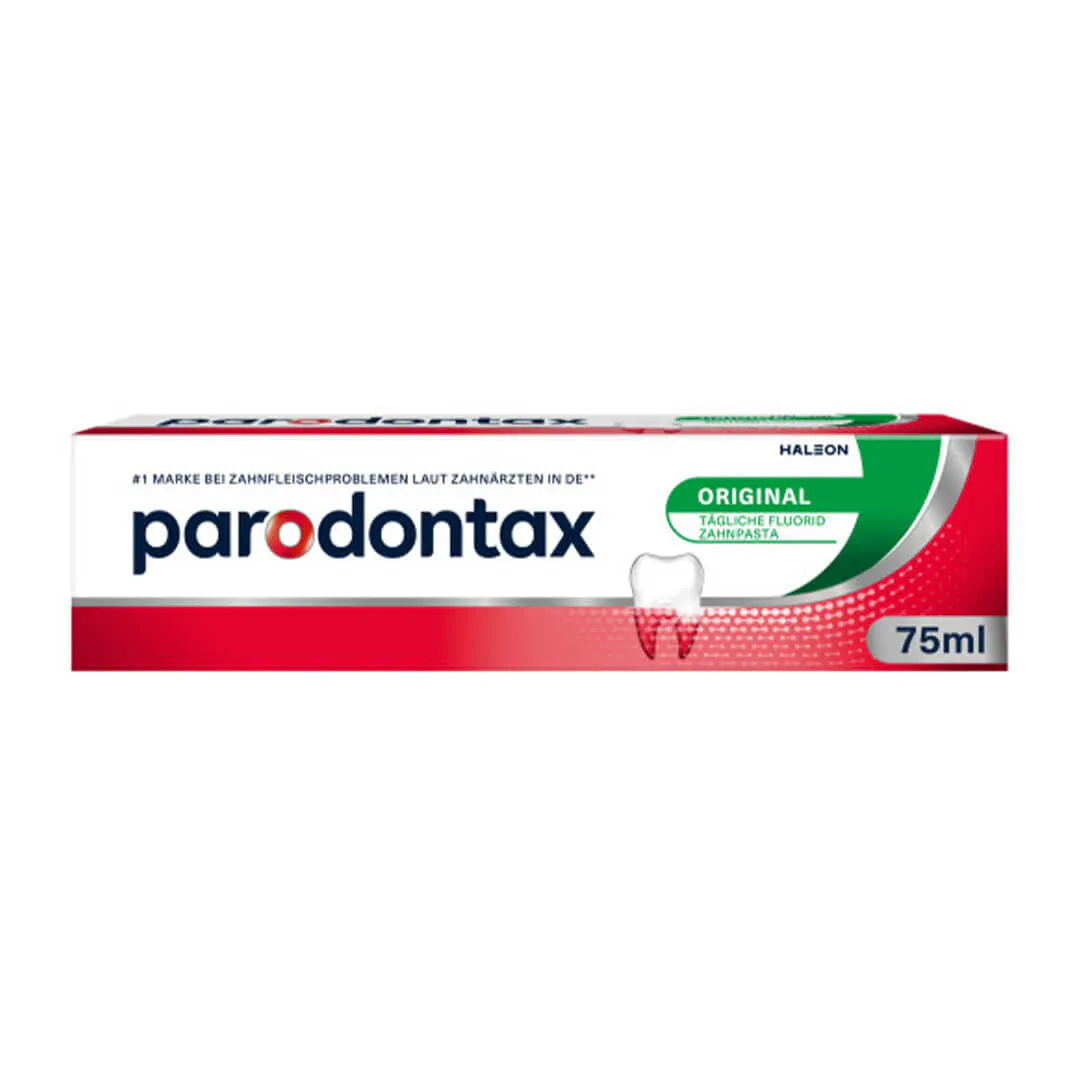
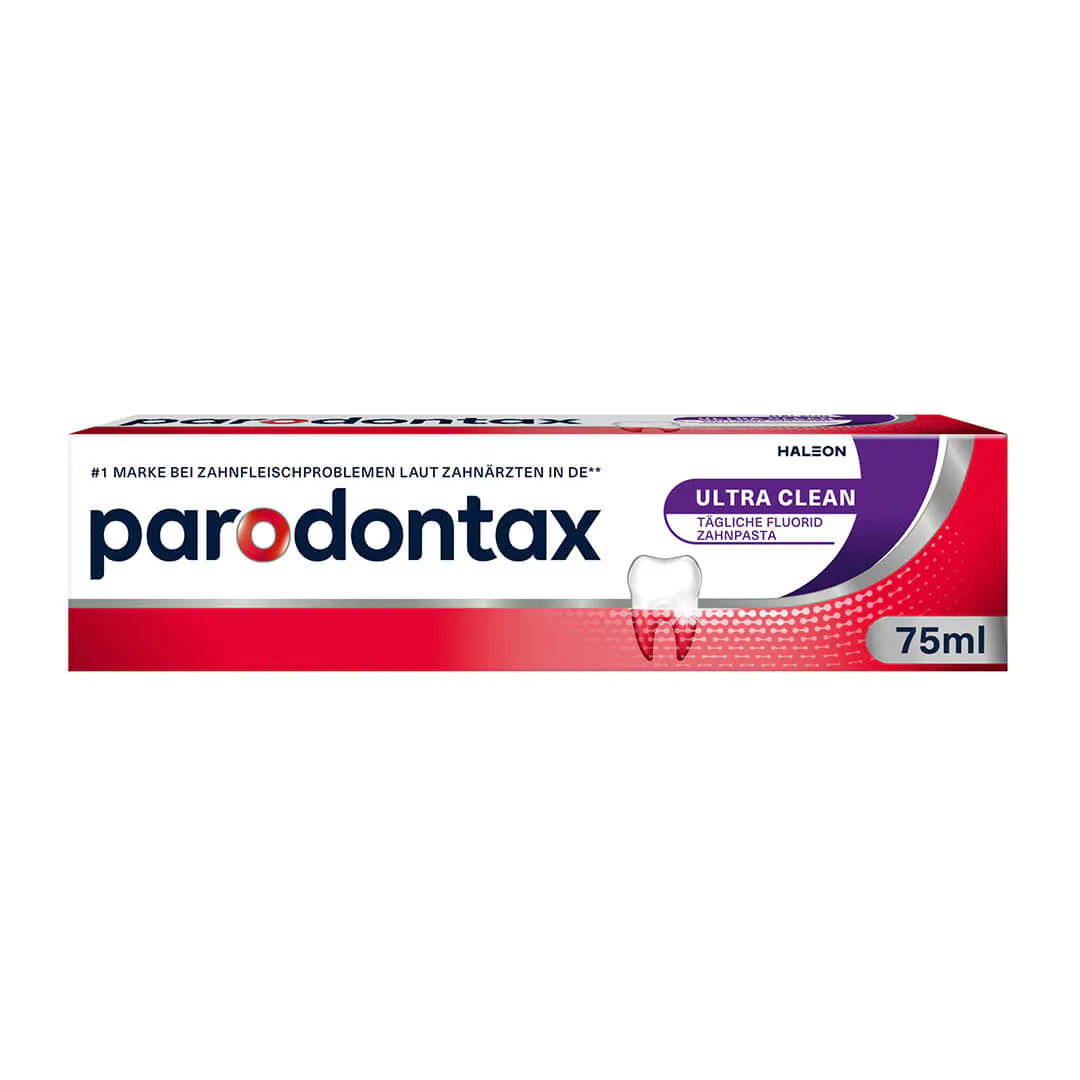
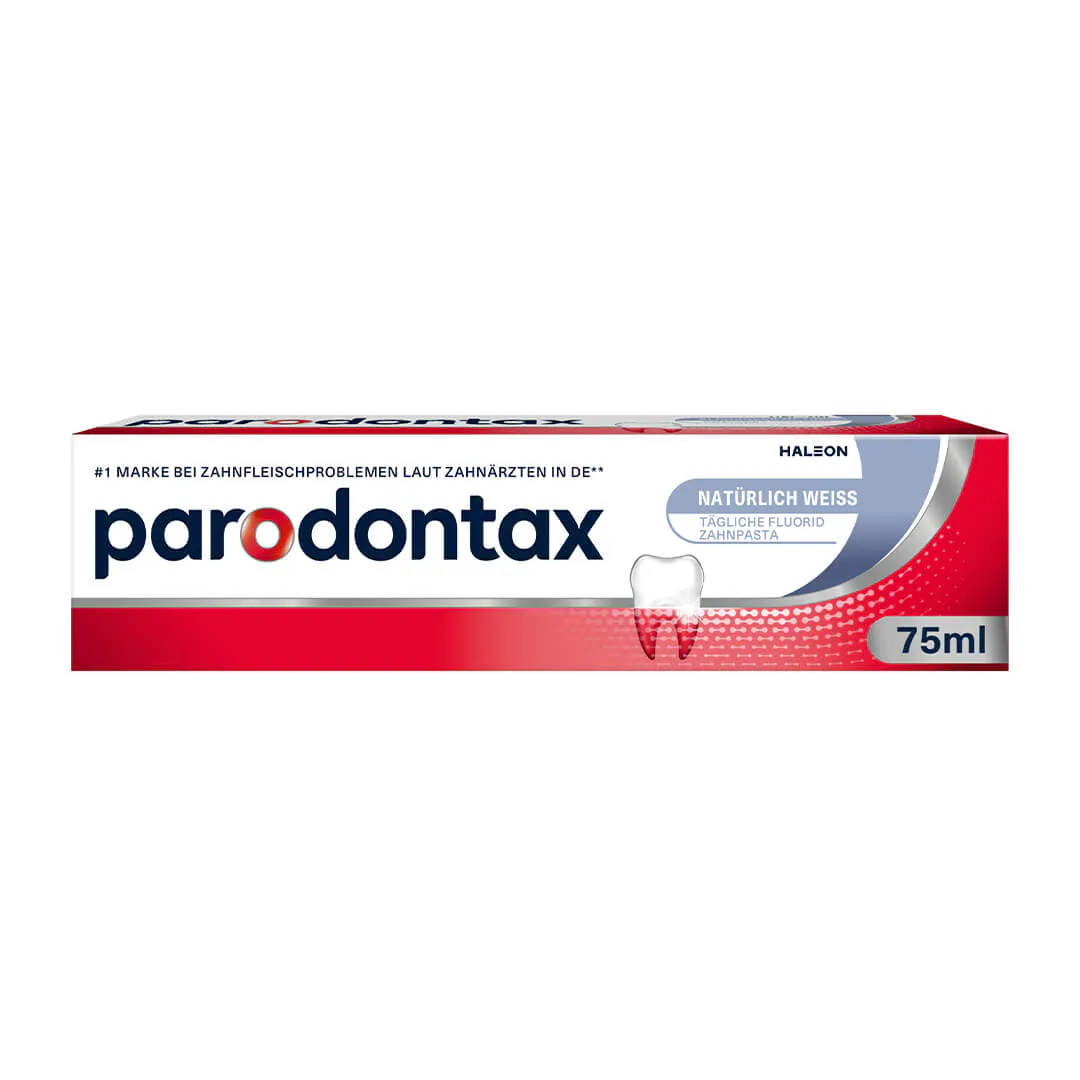
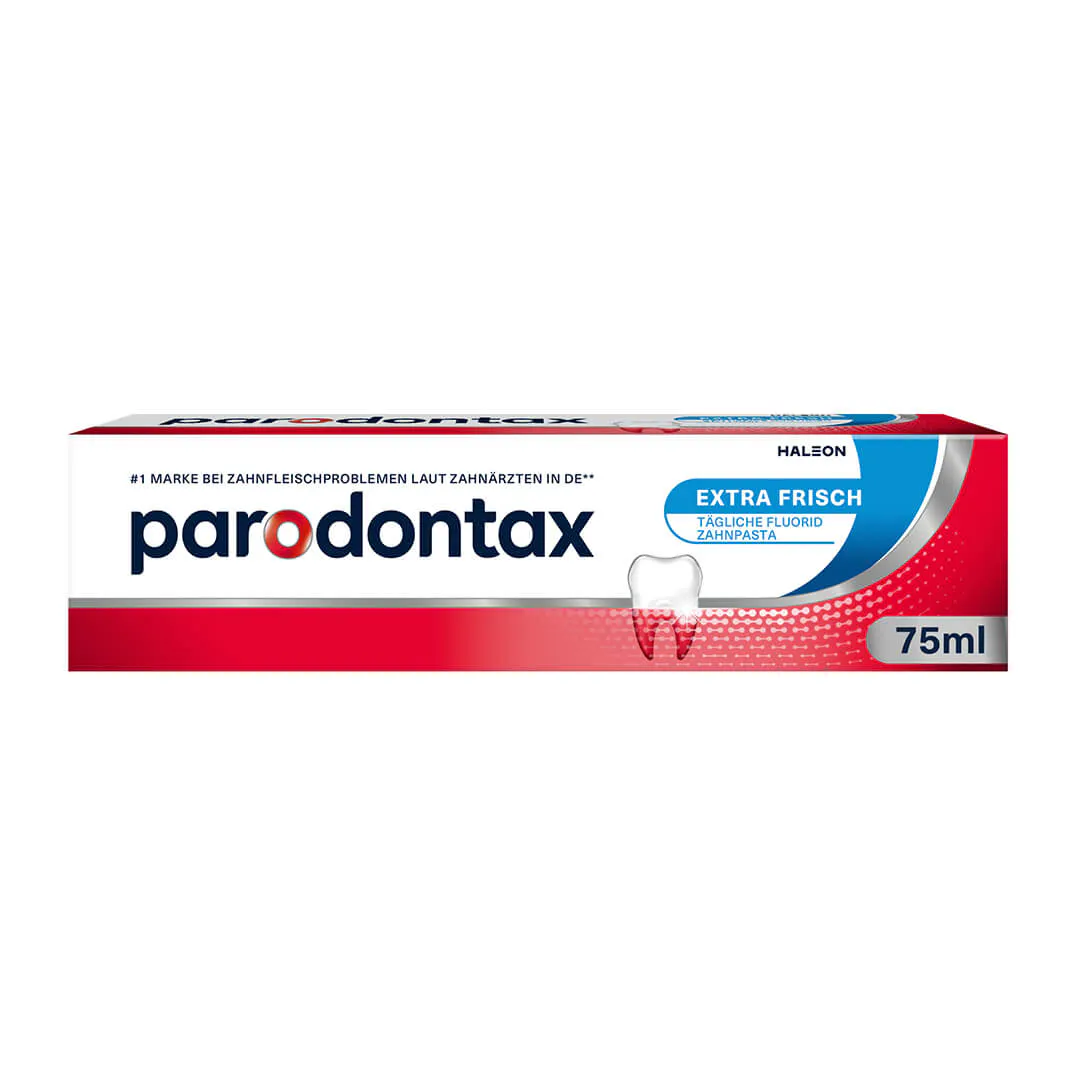
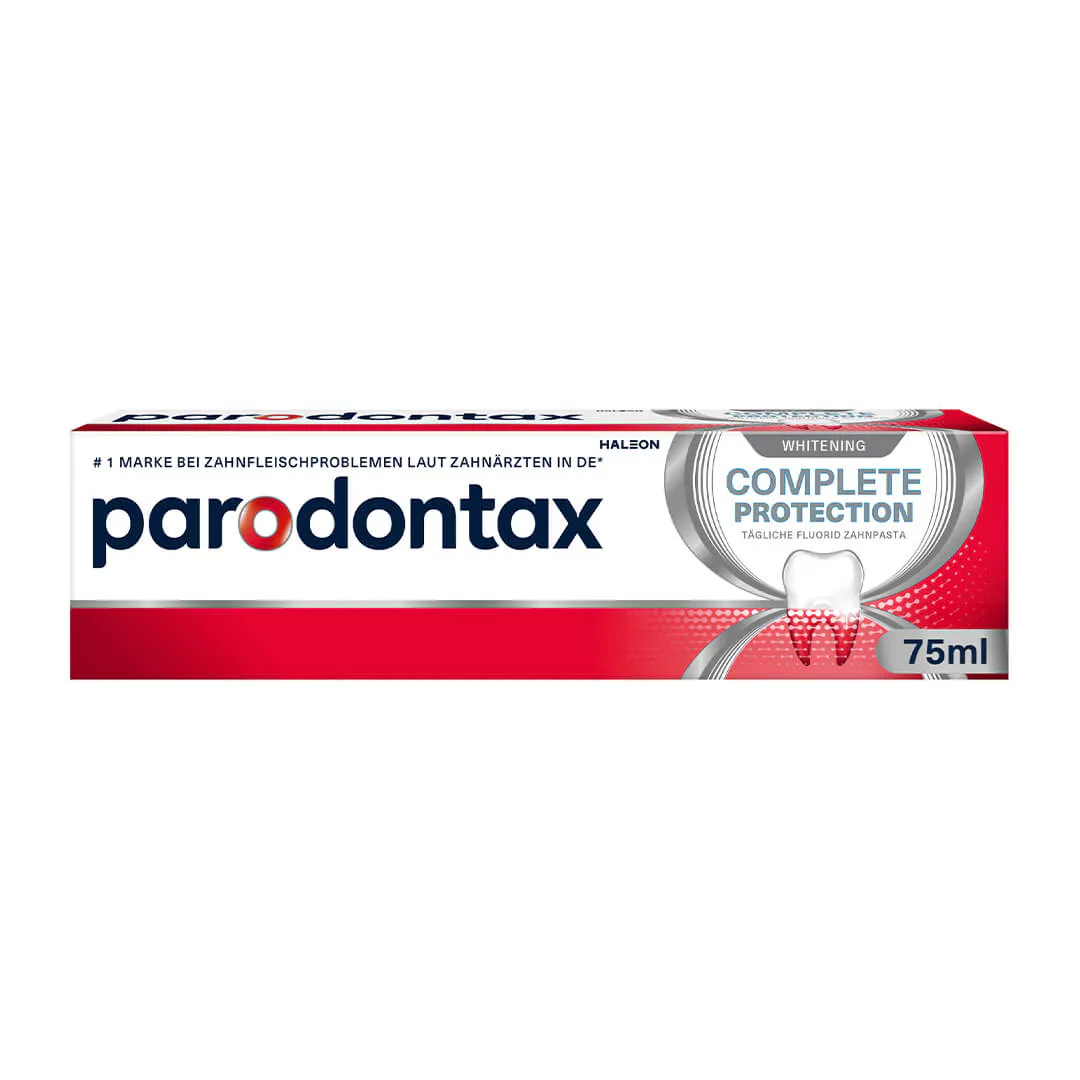
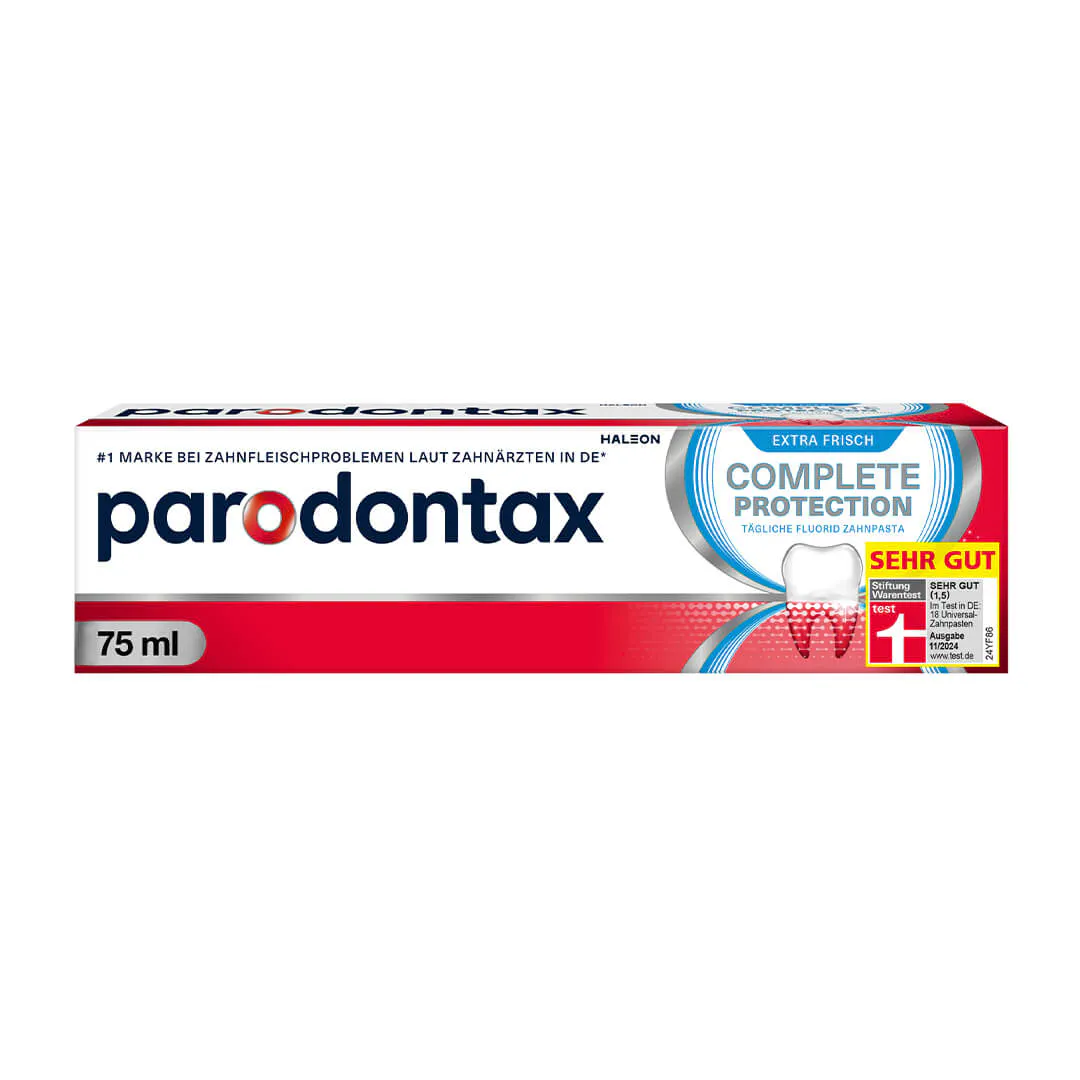
Healthy gums don’t bleed. If you spit blood when you brush or floss it can be a sign of gum disease. parodontax is a daily fluoride toothpaste that is clinically proven to help stop and prevent bleeding gums. Use parodontax toothpaste daily to keep gums healthy, teeth strong and breath fresh.
-
How does parodontax toothpaste work?
Plaque builds up on, around and in between your teeth. If this is not removed it can irritate the gums leading to red, swollen and bleeding gums (gingivitis). If left untreated this can get worse and may cause bad breath, receding gums and more serious gum disease.
Unlike a regular fluoride toothpaste parodontax is specially formulated with sodium bicarbonate. As you brush, this penetrates the layer of plaque bacteria to help break it up and make it easier to remove.
By physically removing the build-up of bacteria along the gum line, parodontax toothpaste helps to keep the seal between gums and teeth tight. It is 4x more effective than regular toothpaste at removing the main cause of bleeding gums.*
*with twice daily brushing. Not applicable to parodontax Whitening variant
-
How is parodontax 4x more effective?
-
How do I use parodontax toothpaste?
-
How quickly does parodontax toothpaste work to reduce bleeding gums?
-
Can parodontax stop my bleeding gums from re-occurring?
-
Will my gingivitis come back after I stop using parodontax toothpaste?
-
What does parodontax toothpaste taste like?
parodontax toothpaste contains sodium bicarbonate to help remove plaque and keep your mouth clean, plus a blend of natural herbal extracts, which gives it a unique flavour*. The taste can take a while to get used to, but most people soon grow to like it as much as regular toothpaste and enjoy the clean feeling it delivers.
*Markets to adapt flavour locally: no herbs in Middle East.
-
Does parodontax toothpaste contain fluoride?
-
Is parodontax toothpaste abrasive?
-
Who should use parodontax toothpaste?
-
What are the ingredients in parodontax toothpaste?
-
Does parodontax toothpaste come in different variants?
-
Does parodontax toothpaste have a whitening variant?
-
Does parodontax toothpaste stain?
-
Why does parodontax Daily toothpaste contain herbs?
-
Is parodontax toothpaste suitable for children?
-
What symptoms can parodontax toothpaste relieve?
-
Do I have to use parodontax toothpaste twice a day, every day?
-
What are the benefits of the parodontax Toothbrush?
The parodontax toothbrush is specially designed to help prevent gum problems and make teeth cleaning easy. With a small head and soft, dual length bristles, it is gentle on your gums but tough on plaque, one of the main causes of gum problems. It has an ergonomically shaped handle to give you a secure grip when brushing and a soft tongue cleaner on the back of the toothbrush head.
-
What is parodontax Daily Mouthwash?
parodontax Daily Mouthwash is specially formulated to help protect against gum problems when used with twice daily brushing. The clinically proven formula helps remove plaque and prevent further build-up, to help keep your gums healthy. It contains fluoride to strengthen teeth and prevent cavities, and helps reduce bacteria that can cause bad breath. Use twice daily alongside parodontax toothpaste.
-
How do I use parodontax Daily Mouthwash?
-
Can I use parodontax Daily Mouthwash after brushing with parodontax toothpaste?
-
Does parodontax Daily Mouthwash contain alcohol?
-
Does parodontax Daily Mouthwash stain?
-
What are the ingredients in parodontax Daily Mouthwash?
-
Do parodontax products feature triclosan?
-
What is gingivitis?
-
What causes gum disease (gingivitis)?
One of the main causes of gum disease is the plaque bacteria that builds up around, on and in between your teeth. If it is not removed by regular brushing and flossing it can irritate your gums, causing them to become red and swollen, and they may bleed when you brush your teeth. This stage of gum disease is called gingivitis. If these early signs of gum disease are not treated, then it can eventually progress to one of the most serious forms of gum disease, periodontitis, which is irreversible and can lead to tooth loss.
-
What are the symptoms of gum disease (gingivitis)?
-
How can I prevent gum disease (gingivitis)?
You can help to prevent gingivitis caused by the build-up of plaque bacteria by adopting a good oral health routine. Brush your teeth twice daily using parodontax fluoride toothpaste which is 4x more effective than a regular toothpaste at targeting the cause of bleeding gums.* Floss to remove plaque from hard to reach areas between teeth. Regularly visit your dentist as a professional may spot the signs of gum disease before you experience any symptoms.
*with twice daily brushing. Not applicable to parodontax Whitening variant
-
Is gum disease a common problem?
-
What is dental disease?
-
Can brushing too hard cause bleeding gums?
-
How do I know that I need to use parodontax toothpaste?
-
How many products are there in the parodontax range?
Corsodyl FAQs
-
Do all mouthwashes treat gum disease?
Not all mouthwashes treat gum disease, some are designed to freshen breath or provide cavity protection. parodontax Daily Mouthwash is formulated to help protect against gum problems when used alongside twice daily brushing. It contains low concentration chlorhexidine digluconate to reduce plaque build-up and is clinically proven to help remove plaque bacteria and prevent further build up. It also helps reduce bad breath-causing bacteria and contains fluoride to strengthen teeth and prevent cavities.
Corsodyl Mouthwash 0.2% Intensive has a higher level of chlorhexidine and is clinically proven to treat the first stage of gum disease, called gingivitis. Please read the product label and use as directed.
-
What product in the Corsodyl range should I use to help treat my gum problems?
The Corsodyl intensive treatment product range contains a mouthwash, gel and spray formulated with the antimicrobial ingredient chlorhexidine to help treat the first stage of gum disease, called gingivitis. Please consult your dentist on which product is best for you.
-
Does Corsodyl mouthwash contain any alcohol?
-
Should I be using the products with alcohol in?
-
How long does the treatment mouthwash last when I have opened it?
All Corsodyl treatment mouthwashes can be used for up to three months after opening. Please check the packaging for the expiry date and do not use after this date.
-
How long should I use Corsodyl mouthwash for?
-
Can I use the Corsodyl treatment with children?
-
Can I use Corsodyl products on a daily basis?
Corsodyl should be used as directed on the label or by your dentist. For daily treatment to help prevent bleeding gums you can use parodontax Toothpaste and Mouthwash.
-
How should I brush my teeth when I am using Corsodyl Intensive mouthwash?
Brushing your teeth immediately after using Corsodyl treatment mouthwashes may prevent the mouthwash from working properly. To avoid this, use Corsodyl at a different time of day, or brush your teeth first, then rinse thoroughly with water and wait five minutes before rinsing with Corsodyl mouthwash.
The efficacy of Corsodyl mouthwash and Gel can be affected by SLS (sodium lauryl sulfate). This substance is often included in toothpaste so you should choose an SLS-free toothpaste, like parodontax.
-
Is the use of a mouthwash enough for oral hygiene?
No. Good oral hygiene is based on twice daily, thorough tooth brushing, plus regular check ups with a dentist and professional cleaning by a dentist or hygienist. Using a daily mouthwash like parodontax Daily can help to support this routine, but never replace it.
If you have persistent, worsening or serious gum problems, such as red, swollen or bleeding gums, these are the symptoms of gum disease. You may need intensive care to help repair the damage and reduce the amount of plaque bacteria in your mouth. Your dentist may recommend that you use Corsodyl intensive treatment as a short term, temporary treatment in addition to your normal oral hygiene routine, to keep your mouth clean and help gums heal.