



Toothpaste for Gum Health & Gingivitis
parodontax helps reverse the early signs of gum disease
Bleeding gums, swollen gums, and bad breath aren't just uncomfortable— they can be early warning signs of gingivitis and gum disease.1,2 Left untreated, gingivitis can progress to periodontitis, leading to irreversible damage like gum recession and tooth loss.
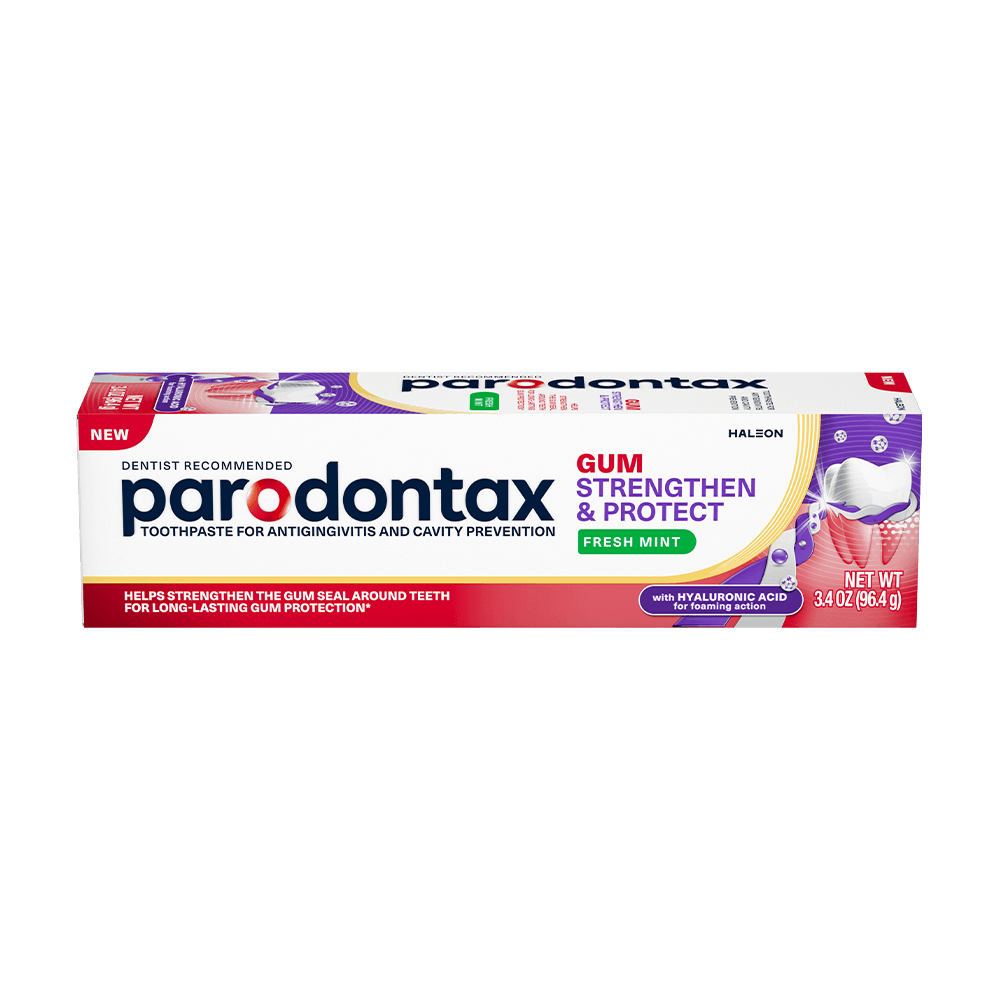
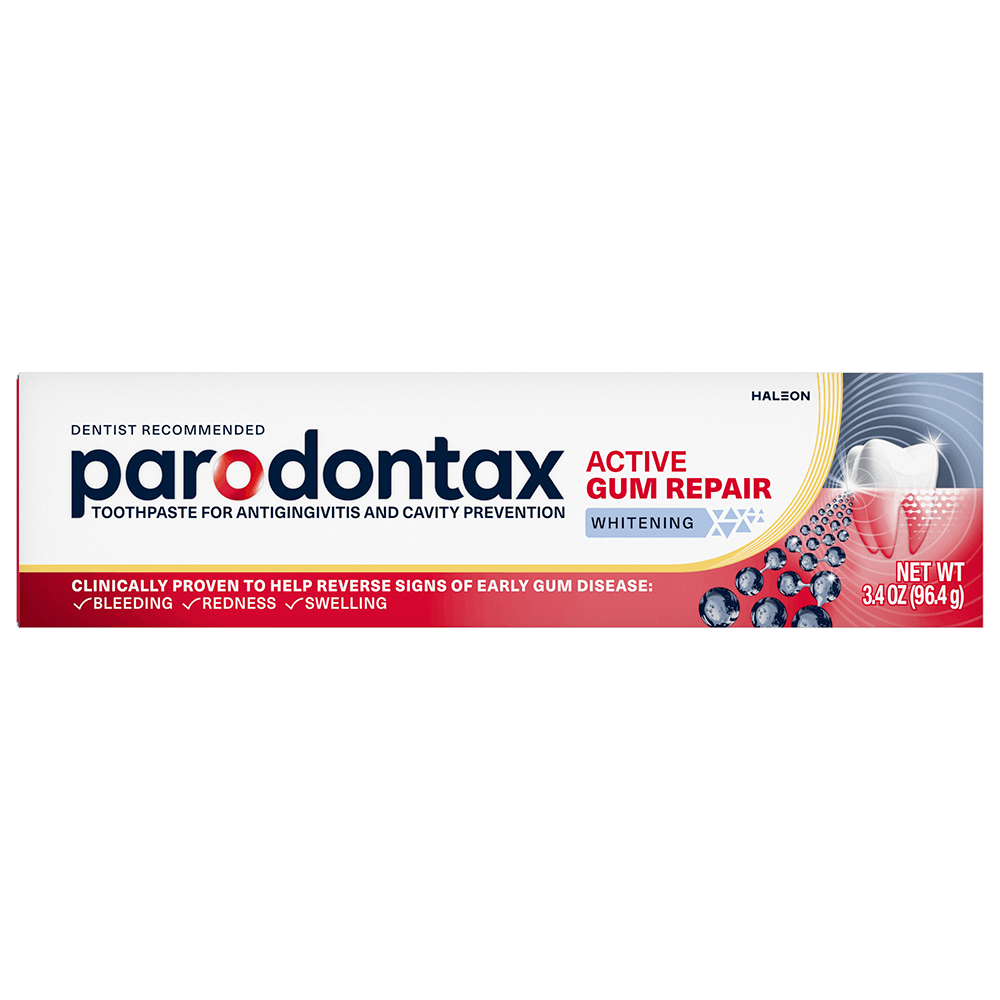
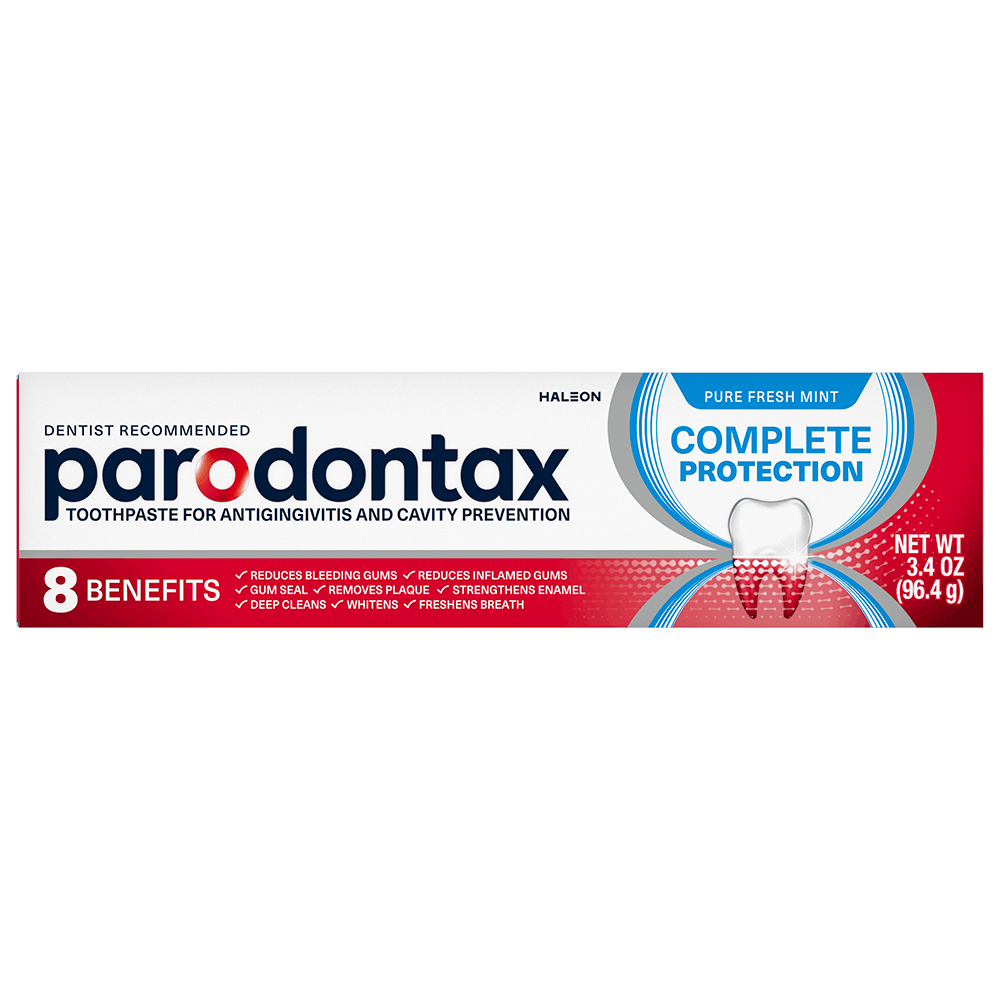
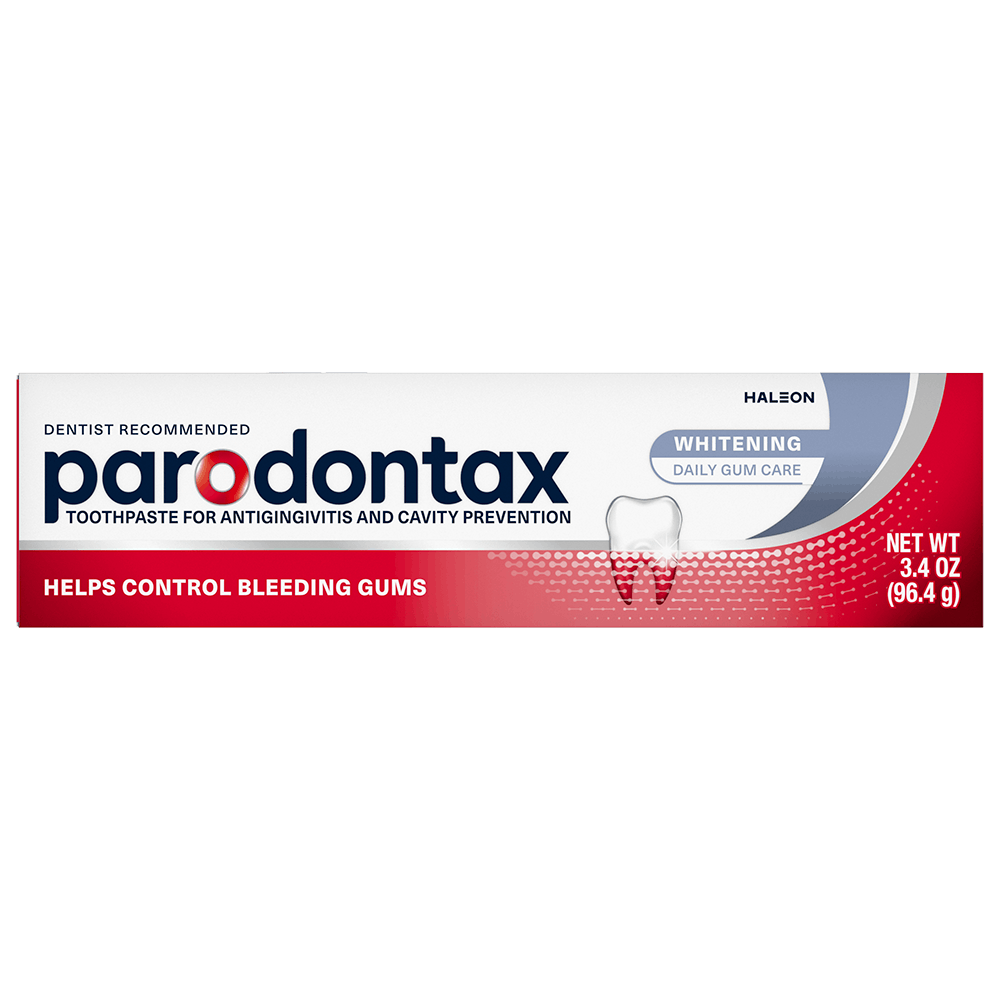
That's where parodontax comes in. As a gum health toothpaste formulated with stannous fluoride (0.454%), parodontax is clinically proven to remove 3× more plaque than a regular sodium monofluorophosphate toothpaste—targeting the root cause of gum problems with every brush. When used twice daily, parodontax significantly reduces plaque and bleeding gums after just 12 weeks.
Whether you're looking for a toothpaste for gingivitis prevention or wondering how parodontax works to fight gum disease, you've come to the right place. Explore the science and products that make parodontax a trusted name in gum care.
WHAT ARE THE SIGNS OF GUM DISEASE?



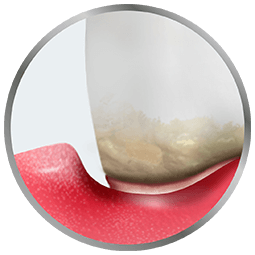
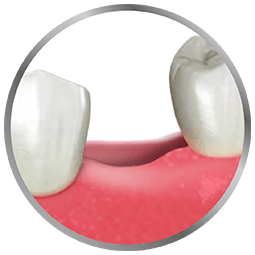
Understanding Gum Disease Starts Here
Learn how to recognize the signs of gum disease before they become irreversible.
How Do You Help Bleeding Gums and Other Gum Disease Symptoms?
If you notice blood when you brush or floss, it's not something to ignore — it could be a sign of gum disease.2 The good news? With the right daily habits, you can take action to help bleeding gums and support long-term gum health.2 Here are four steps to get started:
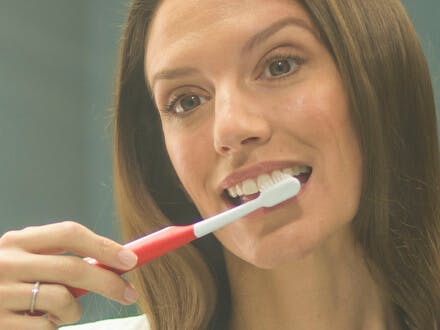
- Brush at least twice a day. Brush your teeth for at least two minutes in the morning and before you go to bed to keep your teeth and gums clean.2 Look for a toothpaste that supports gum health like Parodontax, which is clinically proven to help reduce bleeding gums.
- Floss daily. Flossing before you brush helps remove and loosen particles of food and bacteria.2
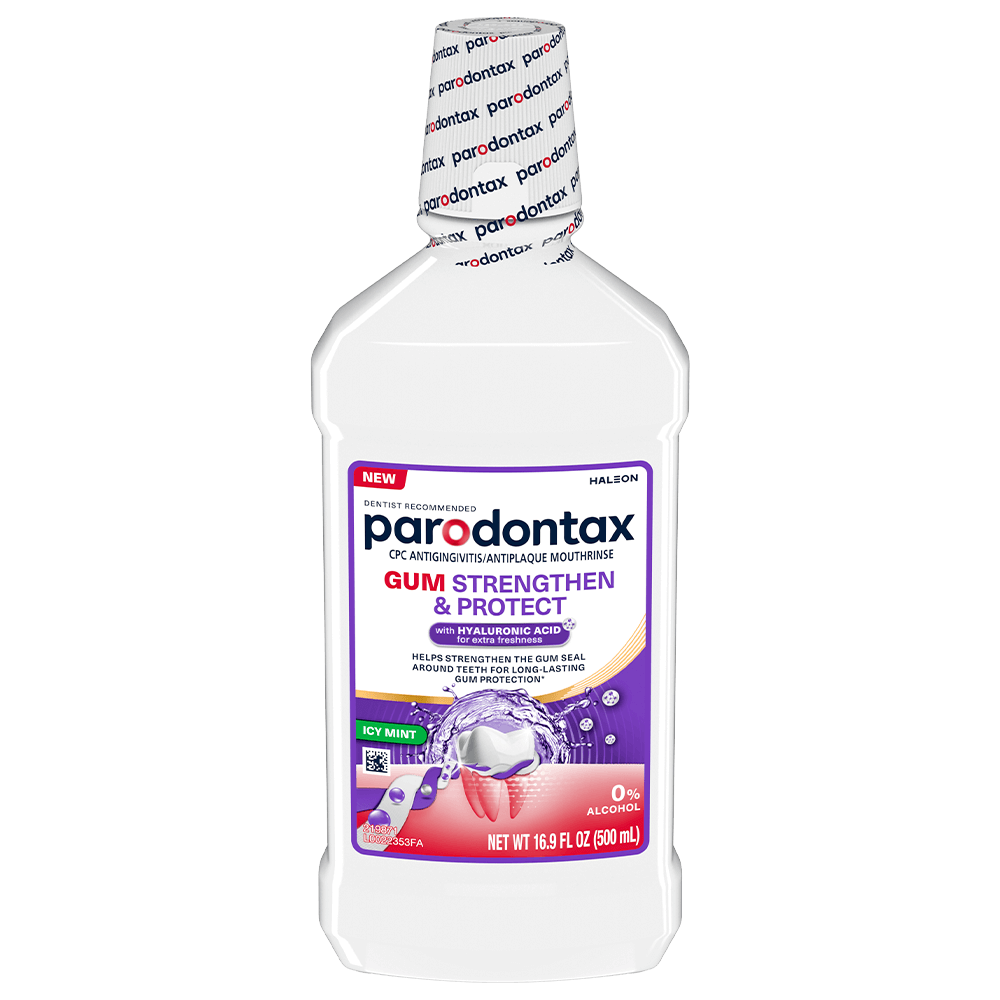
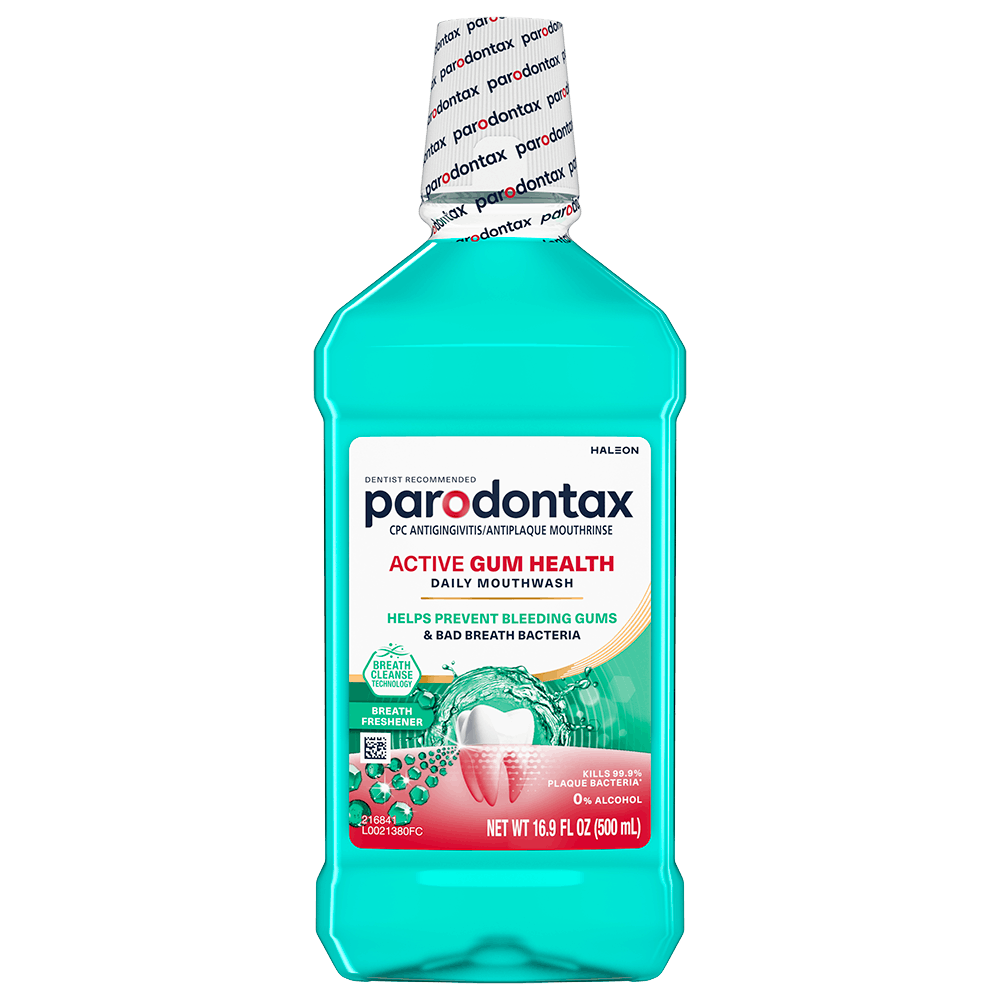
- Use mouthwash. The right mouthwash can help minimize plaque, gingivitis and tooth decay.6 Look for a mouthwash with cetylpyridinium chloride, which helps reduce plaque and gingivitis.6 parodontax mouthwashes all contain cetylpyridinium chloride.
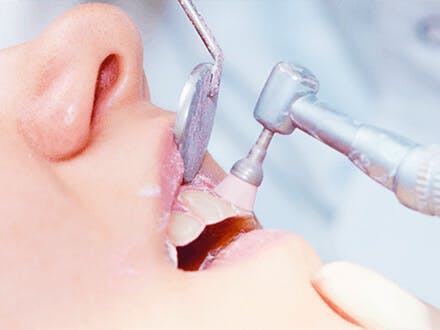
- See your dentist regularly. Help prevent gingivitis by getting regular professional cleanings and having a dental checkup at least once per year.1



Source Citations:
- About Periodontal (Gum) Disease. CDC. https://www.cdc.gov/oral-health/about/gum-periodontal-disease.html. Accessed 6/9/2026.
- Periodontitis. Mayo Clinic. https://www.mayoclinic.org/diseases-conditions/periodontitis/symptoms-causes/syc-20354473. Accessed 6/9/2026.
- Gingivitis. CDC. https://www.mayoclinic.org/diseases-conditions/gingivitis/symptoms-causes/syc-20354453. Accessed 6/9/2026.
- Bad breath. Mayo Clinic. https://www.mayoclinic.org/diseases-conditions/bad-breath/symptoms-causes/syc-20350922. Accessed 6/9/2026.
- Gum recession. Cleveland Clinic. https://my.clevelandclinic.org/health/diseases/22753-gum-recession. Accessed 6/9/2026.
- Mouthrinse (Mouthwash). American Dental Association. https://www.ada.org/resources/ada-library/oral-health-topics/mouthrinse-mouthwash. Accessed 6/9/2026.