



What Is Gingivitis?
Gingivitis is the mild, early form of gum disease — inflammation of the gums that makes them red, swollen and likely to bleed when you brush or floss.1,2 It is very common and, caught early, reversible with good oral hygiene and professional cleanings.1,2,5 Left untreated, it can progress to periodontitis, a more serious form of gum disease that damages the bone and tissue supporting your teeth.2
Key Takeaways
- Gingivitis is the mild, reversible first stage of gum disease.1,2
- The main signs of gingivitis are red, swollen gums that bleed easily — plus bad breath.1
- Gingivitis is caused by plaque, a sticky film of bacteria, building up along the gumline.1,3
- Good daily brushing and flossing plus regular dental visits can treat and prevent gingivitis before it turns into periodontitis.1,2
What Does Gingivitis Look Like?
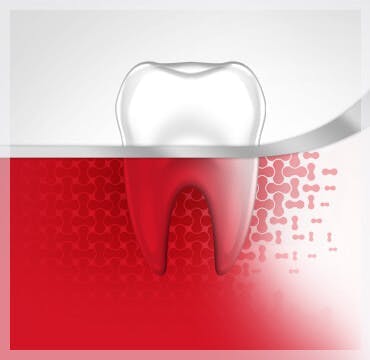
Gingivitis usually looks like redness, swelling and bleeding of the gum tissue.1,2 Your gums may also feel tender to the touch.1 Gingivitis is fairly common. In fact, about 2 in 5 U.S. adults aged 30 and older have some form of gum disease.5 Gingivitis can progress to a more severe form of gum disease if left untreated.3 That’s why it’s important to look out for the early symptoms and signs of gingivitis.
Common Signs of Gingivitis:
- Gums that look red or swollen instead of firm and pink.1
- Gums that bleed easily when you brush or floss.1
- Gums that feel tender to the touch.1
- Persistent bad breath.1,3
Not sure how your gums compare? See what healthy gums look like.
Gingivitis vs. Periodontitis: What’s the Difference?
Gingivitis and periodontitis are both forms of gum disease, but they affect your gums at different points as the disease progresses. Gingivitis is the earliest stage, while periodontitis is a more advanced stage. Here’s how they compare — and you can read more about the full stages of gum disease.2
Gingivitis vs. periodontitis at a glance
Key Question |
Gingivitis |
Periodontitis |
How Serious is it? |
Mildest, earliest stage of gum disease.1 |
More advanced form of gum disease.2 |
What happens to your gums? |
Inflammation of the gums.1 |
Inflammation plus loss of the bone that supports the teeth.2 |
Can it be Reversed? |
Yes, can potentially be reversible with good oral hygiene and professional cleanings.1 |
No — home care can’t reverse it; it needs professional treatment to manage and stop further damage.2 |
What are the Common signs? |
Red, swollen gums that bleed easily and bad breath.1 |
Gums pulling away from teeth, loose or sensitive teeth, pain when chewing, and bad breath.2 |
Why does it matter? |
A warning sign you can act on early. |
Can lead to loose teeth or teeth that need to be removed.2 |
How Do You Get Gingivitis?
You can get gingivitis when plaque – a thin, sticky film of bacteria – builds up on your teeth and gums.1,3 If not removed by daily brushing and flossing, this plaque can irritate your gums, causing swelling, soreness and bleeding.1,3 Plaque that is left on your teeth can harden above and under your gum line into tartar, which irritates your gum line and needs to be professionally removed. If you do nothing about gingivitis, it can lead to more serious issues such as periodontitis (a more advanced form of gum disease) and eventually tooth loss and gum damage.2 Find out more about the causes of gingivitis.
Is Gingivitis Contagious?
Gingivitis isn't caused by a single germ passed from person to person. It develops when plaque builds up on your teeth, so your oral care habits and the risk factors below play the biggest role.1,2
Are There Risk Factors for Gingivitis?
Anyone can develop gingivitis, but there are some factors that can put you at a higher risk. They include:1
- Poor oral health
- Smoking or chewing tobacco
- Having a family history of gum disease
- Pregnancy
- Diabetes
- Taking certain medications (including steroids and some oral contraceptives)
Does Gingivitis Affect Women More Than Men?
Hormonal changes can put women at a higher risk of gingivitis at certain times in their life – including puberty, pregnancy and menopause. This is because female hormones (estrogen and progesterone) released during these periods cause an increased blood flow to the gums, which may make them more sensitive to irritants, including food particles and plaque.
As a result, some women may experience inflamed, swollen or bleeding gums during times of hormonal change – so it’s a good idea to pay extra attention to your oral health at these stages.2,4
Are Children at Risk of Gingivitis?
Yes. Chronic gingivitis is very common in children, causing the same symptoms of swollen and bleeding gums.4 As with adults, gingivitis is treatable and preventable with a regular routine of brushing, flossing and visits to the dentist.1.4
Early Stages of Gingivitis and Treatment
Think of gingivitis as the initial warning stage of gum disease – where your body is trying to alert you to the fact something is wrong. If treated quickly and properly with good home dental care and regular visits to your dentist, you should see your gums return to health.1 Ignoring gingivitis, on the other hand, can lead to periodontitis. This stage of gum disease cannot be treated at home.2
How To Prevent Gingivitis
With just a few lifestyle changes, there are a few easy ways to reduce your chances of developing plaque-induced gingivitis, including:1,2
- Visiting your dental healthcare provider for regular check-ups. Professional hygiene visit can also help to remove plaque from hard-to-reach areas of your mouth.1
- Adopting a balanced diet to help keep gums healthy. Be sure to eat a nutritious diet that is rich in fruits and vegetables, and limits sugary drinks and snacks.6
- Brushing your teeth for two minutes twice a day.8 You should also aim to floss your teeth at least once a day to remove any remaining plaque and food debris from between meals.2
- Choose the right toothpaste. Discover how to choose the right toothpaste to help reverse gingivitis.1
Next Steps for Preventing Gingivitis
Good oral care is paramount in preventing gingivitis. By brushing your teeth twice a day and using a fluoride toothpaste such as parodontax Complete Protection, you can help lower your chances of developing gingivitis.7,8 parodontax has the ADA Seal of Acceptance to help prevent and reduce gingivitis and plaque above the gumline when used as directed.7
Want to know more? Here’s where you can learn more about gingivitis and how it can affect your health.
Frequently Asked Questions
What does gingivitis look like on your gums?
Gingivitis usually makes your gums look red and puffy or swollen instead of firm and pink, and they often bleed when you brush or floss.1,2
Why are my gums bleeding when I brush my teeth?
Bleeding when you brush is one of the most common early signs of gingivitis, caused by plaque building up along the gumline. The good news is that this early stage is reversible with good oral hygiene and professional cleanings.1,2 Here’s what you can do about bleeding gums.
Is gingivitis reversible?
Yes. Gingivitis is a mild form of gum disease that you can usually reverse with daily brushing and flossing.1,2 If it is left untreated, gingivitis can progress to periodontitis, which damages the bone and tissue that support your teeth and needs professional treatment to manage.2
How is gingivitis different from periodontitis?
Gingivitis is the mild, early stage of gum disease that affects only the gums and is reversible. 1,2 Periodontitis is the more advanced stage of gum disease that also breaks down the bone and tissue supporting the teeth; it needs professional treatment to manage and can lead to tooth loss.2
SOURCES
By clicking any of the links below you will be taken to an external website that is independently operated and not managed by GSK. GSK assumes no responsibility for the content on the website. If you do not wish to leave this website, do not click on the links below:
1. Gingivitis. MouthHealthy, American Dental Association. https://www.mouthhealthy.org/all-topics-a-z/gingivitis. Accessed 8/6/2026.
2. Periodontal (Gum) Disease: Causes, Symptoms, and Treatments. National Institute of Dental and Craniofacial Research (NIDCR), NIH. NIH Publication No. 13-1142. https://www.nidcr.nih.gov/sites/default/files/2020-11/Periodontal-Gum-Disease.pdf. Accessed 8/31/2026.
3. Gum Disease (Periodontal Disease). MouthHealthy, American Dental Association. https://www.mouthhealthy.org/all-topics-a-z/gum-disease. Accessed 8/6/2026.
4. Gum Health for Kids and Teens. American Academy of Periodontology. https://www.perio.org/for-patients/gum-disease-information/gum-health-for-kids-and-teens/. Accessed 8/6/2026.
5. Periodontal Disease in Adults (Age 30 or Older). NIDCR Data & Statistics (NIH), NHANES 2009–2014. https://www.nidcr.nih.gov/research/data-statistics/periodontal-disease/adults. Accessed 8/6/2026.
6. Diet and Dental Health. MouthHealthy, American Dental Association. https://www.mouthhealthy.org/all-topics-a-z/diet-and-dental-health. Accessed 8/6/2026.
7. parodontax Daily Fluoride Anticavity and Antigingivitis Toothpaste. ADA Seal of Acceptance product listing, American Dental Association. https://www.ada.org/resources/research/science/ada-seal-of-acceptance/product-search/a065e000007A385AAC/parodontax-daily-fluoride-anticavity-and-antigingivitis-toothpaste. Accessed 8/6/2026.
8. Toothbrushes. Oral Health Topics, American Dental Association. https://www.ada.org/resources/ada-library/oral-health-topics/toothbrushes. Accessed 8/6/2026.


Recommended Articles

Are Your Gums Healthy?
What Causes Inflamed Gums?